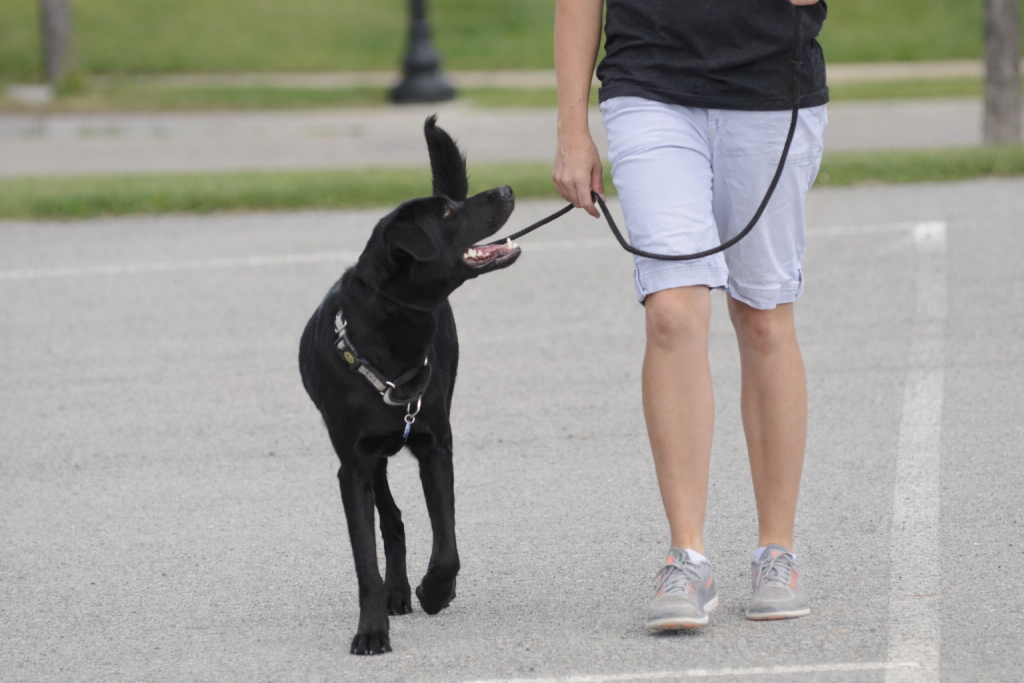
For many dog owners, the idea of a peaceful walk with their dog can feel more like a dream than reality. Instead of a relaxing stroll, walks often turn into a tug-of-war with a leash, dodging distractions while your dog pulls toward every squirrel, person, smell, or sound.
So is enjoying calm walks with your dog a myth?
Not at all. Calm, enjoyable walks are absolutely possible. However, achieving them goes far deeper than simply teaching a dog to stop pulling on the leash. At its core, great leash skills come from something much more important: your dog’s ability to maintain emotional control in stimulating environments.
When dogs step outside, the world suddenly becomes louder, brighter, and far more exciting than anything inside the home. Every scent, movement, and sound competes for your dog’s attention. Without a strong foundation of emotional regulation and clear communication with their handler, most dogs simply become overwhelmed by the intensity of the environment.
The good news is that calm walks can be built step by step—starting in the most controlled environment you have: your home.
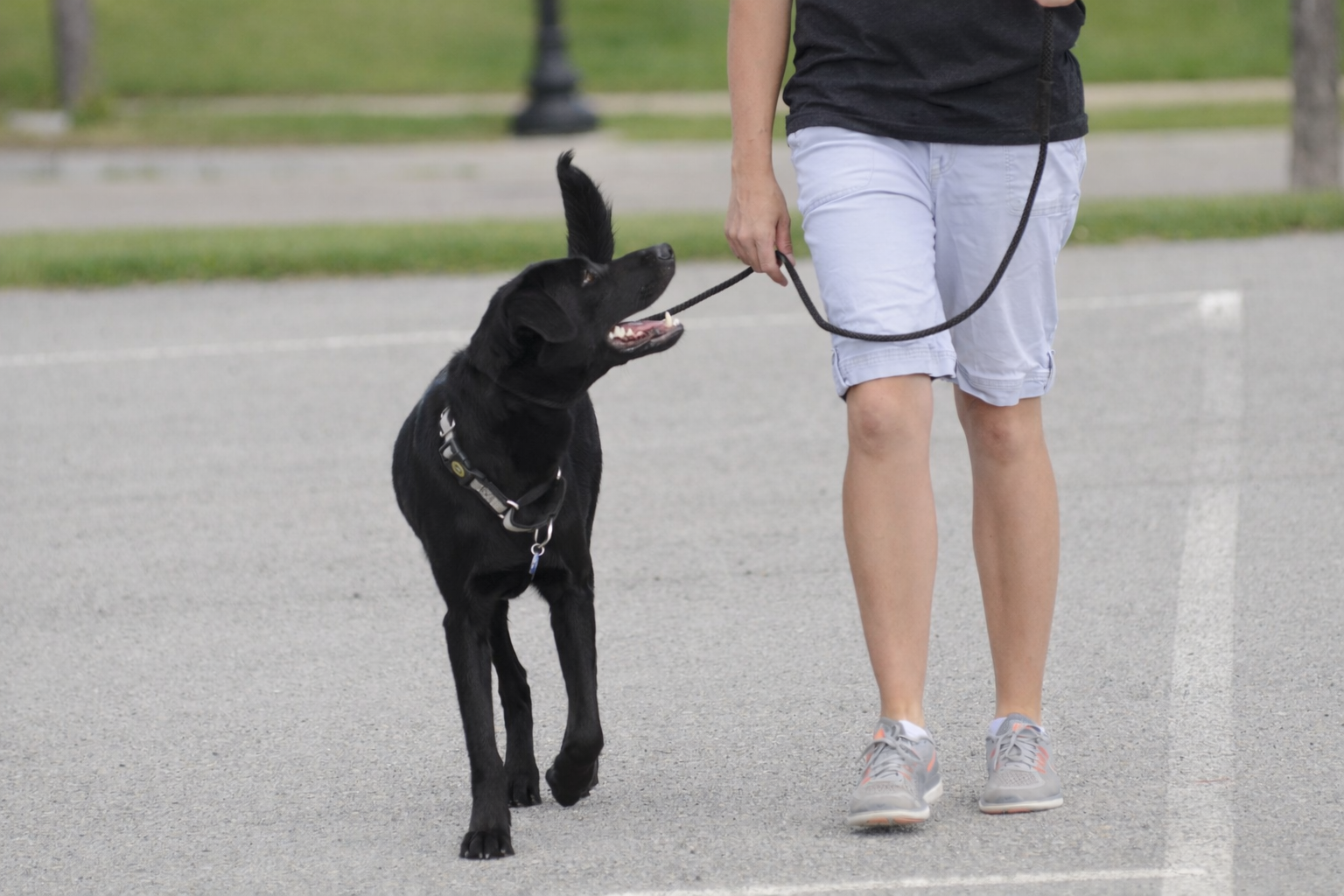
Why Emotional Control Matters on Walks
Many leash struggles are not actually about the leash itself. They are about a dog’s inability to regulate excitement and focus when stimulation increases.
Outdoors, dogs are exposed to:
- New smells
- Moving people and animals
- Vehicles and noises
- Unfamiliar environments
- Exciting visual stimulation
When a dog becomes overly stimulated, their thinking brain tends to switch off and their instinctive reactions take over. Pulling, lunging, barking, and ignoring cues often follow.
Teaching your dog how to manage their excitement and maintain focus around distractions is what ultimately creates calm walking behavior. And that training begins in a quiet, controlled space.
Start Where Success Is Easy: Inside Your Home
Many people assume leash training should start outside, but beginning indoors actually sets both you and your dog up for success.
Inside the house:
- Distractions are limited
- You can control the environment
- Your dog can focus more easily
- Learning happens faster
This allows your dog to understand what proper walking position feels like before adding the chaos of the outside world.
When dogs clearly understand the expectations indoors, they are far better prepared to handle more challenging environments later.
Tip #1: Clear Communication Is Key
One of the most important lessons a dog can learn on leash is that forward movement is a reward.
If your dog pulls ahead, forges out of position, or begins leading the walk, simply stop moving. The moment they lose the privilege of forward progress, they begin to understand that staying beside you keeps the walk going.
Another effective strategy is to change direction. If your dog moves out of position, calmly turn and walk the opposite way.
This communicates a powerful message:
Walking with you keeps the adventure going. Leaving position makes the adventure stop.
Consistency is everything here. The clearer and more predictable your responses are, the faster your dog will understand.
Tip #2: Gradually Add Stimulation Indoors
Once your dog understands the basics of walking beside you in a quiet space, you can begin increasing the challenge.
Add small distractions inside your home such as:
- Making frequent turns and direction changes
- Placing toys on the ground
- Having another person walk through the room
- Walking past an open exterior door
- Adding food bowls or exciting objects nearby
These controlled distractions help your dog practice staying focused while excitement increases. It builds the exact skills they will need outdoors.
Think of this stage as building your dog’s emotional “muscle.”
Tip #3: Practice Pace Changes and Stops
A good walking partner pays attention to their handler’s movement.
Practicing changes in speed helps your dog learn to stay connected to you instead of drifting ahead.
Try incorporating:
- Slowing your walking pace
- Speeding up briefly
- Making unexpected stops
- Pausing for a few seconds before continuing
These exercises teach your dog to stay aware of your body movement and adjust with you. Over time, your dog learns that paying attention to you makes the walk predictable and successful.
Tip #4: Slowly Introduce Outdoor Exposure
Moving straight from indoor practice to a full neighborhood walk can overwhelm many dogs. Instead, introduce the outside world gradually.
Try simple steps such as:
- Walking a few steps outside the door, then returning indoors
- Practicing leash skills on the porch or driveway
- Working just inside an open doorway
- Moving training sessions to new areas of your home like a basement or garage
These transitions expose your dog to new environments while still allowing them to rely on their foundation skills.
Small, successful exposures build confidence and self-control.
Tip #5: Use the Right Tools When Needed
Sometimes dogs are not fully ready for real-world walks yet, but owners still want to safely get outside together.
Certain tools can help manage behavior while training continues:
- Transitional leash systems
- Head halters
- Prong collars
- Slip leads
These tools can provide additional communication and control in stimulating environments. However, they should not replace the training process itself.
The true goal is to develop your dog’s ability to make calm, thoughtful choices—not simply rely on equipment.
Working at a distraction level where your dog can succeed will always produce better long-term results.
Structured Practice Is More Valuable Than Distance
Many dog owners believe the goal of a walk is distance—making it around the block or covering as much ground as possible.
In reality, structured training sessions are often far more valuable for your dog.
Practicing short periods of focused leash skills:
- Strengthens communication between you and your dog
- Builds emotional regulation
- Provides mental stimulation
- Teaches thoughtful decision-making
Mental work like this can actually tire a dog more effectively than simply pulling their owner around the neighborhood.
Quality always beats quantity.
Calm Walks Are Absolutely Possible
Enjoying peaceful walks with your dog is not a myth—it is the result of thoughtful training, patience, and strong foundational skills.
When dogs learn emotional control and clear communication with their handler, walks become something both ends of the leash can enjoy.
By starting indoors, gradually increasing challenges, and focusing on structure rather than distance, you can build a walking partnership that lasts a lifetime.
If you would like more help developing your dog’s leash skills and emotional control outdoors, the team at Full House Dog Training is here to help. Together we can get to the core of where great walking behavior truly comes from—calm minds, clear communication, and confident choices from your dog.